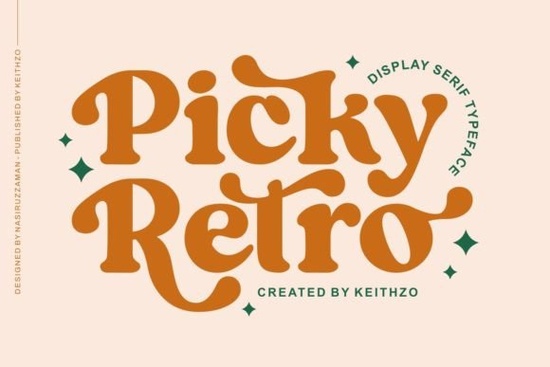
If you're looking for a display font that blends vintage charm with bold personality, the Picky Retro Font might be exactly what your next project needs. It’s a serif typeface with strong, distinctive letterforms that feel both classic and playful ideal for logos, posters, invitations, or any design where you want to make a memorable impression without leaning too far into kitsch.
What sets Picky Retro apart is how it balances elegance with character. The serifs are pronounced but not overly ornate, and the proportions give each letter just enough weight to stand out without overwhelming your layout. This makes it especially useful for small businesses or crafters who need typography that speaks with confidence but still feels approachable.
When should you use a retro-inspired display font like this?
Retro fonts work best when you’re aiming for a nostalgic mood but not every “vintage” look is the same. Picky Retro leans into mid-century advertising aesthetics rather than Victorian flourishes or 70s psychedelia. That means it pairs well with clean layouts, muted color palettes, and minimalist photography. Think boutique coffee shops, handmade soap labels, wedding stationery with a twist, or even merch for indie bands.
If you’re exploring similar styles, you might also like the Groovy Melt font, which offers a more fluid, psychedelic take on retro lettering. Or if you prefer something with sharper edges and editorial flair, check out options in our magazine design font collection.
How does Picky Retro compare to other vintage display fonts?
Not all retro fonts are created equal. Some lean heavily into ornamentation (like Old Vintage Victorian III), while others go for a collegiate or preppy vibe (such as Preppycrush). Picky Retro sits comfortably in the middle: it’s decorative enough to catch the eye, but restrained enough to remain readable at medium sizes.
For example, if you’re designing a logo for a local bakery that wants to evoke “grandma’s kitchen” without looking dated, Picky Retro gives you warmth and familiarity without feeling like a museum piece. Compare that to Remember Things, which has a softer, handwritten quality better suited for personal journals or greeting cards.
Tips for using Picky Retro effectively
Because it’s a display font, Picky Retro shines in headlines, short phrases, or single words not body text. Here’s how to get the most out of it:
- Pair it wisely. Use a simple sans-serif (like Montserrat or Lato) for supporting text so the retro style doesn’t compete with your message.
- Watch your spacing. Some letters have unique shapes that may need slight kerning adjustments in design software especially in all-caps settings.
- Limit color complexity. Stick to one or two colors max. A deep olive green, mustard yellow, or warm terracotta often complements its vintage tone better than neon or pastels.
- Avoid overuse. One strong headline in Picky Retro is more effective than multiple headings vying for attention.
Print-on-demand sellers will appreciate how well it scales whether you’re printing on mugs, tote bags, or wall art, the thick strokes hold up nicely even at smaller sizes. Just remember to test your mockups before going live; retro fonts can sometimes appear heavier on screen than they do in print.
Is Picky Retro right for your brand?
Ask yourself: Does your brand value authenticity, craftsmanship, or a touch of whimsy? If yes, this font could reinforce that message visually. It’s not ideal for tech startups or corporate reports, but for creative entrepreneurs bakers, florists, vintage shop owners, or Etsy sellers it adds instant personality without requiring custom illustration.
And because it’s available through Creative Fabrica, you get commercial-use licensing included, which matters if you’re selling products featuring the font. Always double-check the license details for your specific use case, but generally, it’s safe for most small business applications.
Before you commit, try comparing it side-by-side with other display fonts in your library. Sometimes the difference between “perfect” and “almost right” comes down to how the lowercase ‘g’ or uppercase ‘Q’ behaves in context.
Quick checklist before using Picky Retro in your next project
- ✅ Confirm it matches your brand’s era and mood (mid-century, not Victorian or futuristic)
- ✅ Pair it with a neutral, highly legible secondary font
- ✅ Test readability at your intended size especially for physical products
- ✅ Check licensing terms if you’re using it commercially
- ✅ Limit usage to headlines, logos, or short phrases
If all boxes are ticked, go ahead and give Picky Retro Font a try it might just become your go-to for designs that need a little throwback soul with modern clarity.
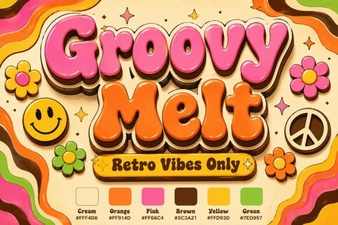 Groovy Melt Font for Creative Digital Designs
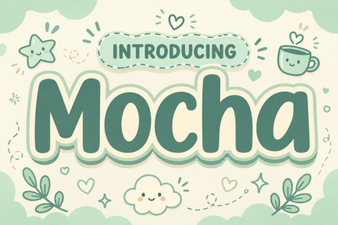 Motcha Font: Creative Design Ideas and Applications
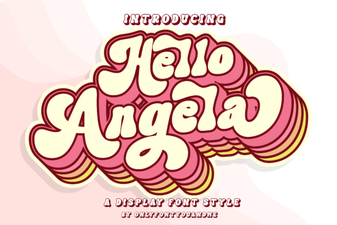 The Hello Angela Font for Creative Typography Projects
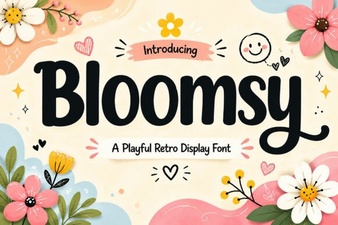 Bloomsy Font: Elegant Typography Projects
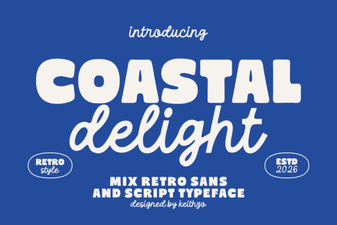 Coastal Delight: Font Design for Beachfront Vibes
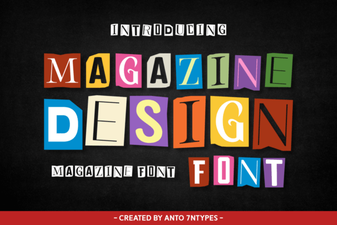 Creative Font Selection for Magazine Layouts